
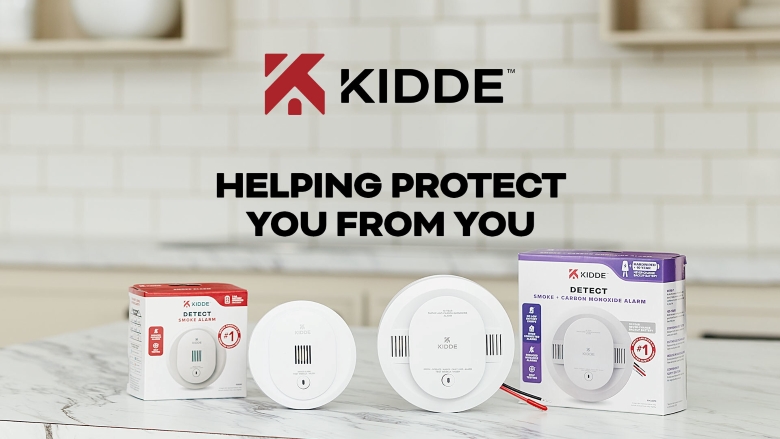
Ensuring the safety of tenants is a primary responsibility for landlords, and smoke detectors are a crucial component of this safety. The UK has strict regulations for smoke alarms in rental properties, designed to reduce the risk of fire-related injuries and fatalities. Here is a comprehensive guide for landlords to understand and comply with these requirements.
Legal Requirements for Smoke Detectors in Rental Properties
There is no specific legislation for smoke alarms in private rental properties, but landlords are encouraged to follow the Building Regulations (Northern Ireland) 2012, which recommend:
- At least one smoke alarm on every floor.
- Hard-wired alarms with battery backup in new builds or substantial renovations.
Types of Smoke Detectors
Landlords can choose from various types of smoke alarms to meet legal requirements and enhance tenant safety:
- Ionisation Alarms
- Best for detecting fast-flaming fires.
- More sensitive to smaller smoke particles.
- Optical Alarms
- Better at detecting slow, smouldering fires.
- Suitable for living rooms and hallways.
- Heat Alarms
- Triggered by temperature rather than smoke.
- Ideal for kitchens to reduce false alarms.
- Interlinked Alarms
- Wireless or hard-wired systems where all alarms sound simultaneously when one is triggered.
- Mandatory in Scotland and highly recommended elsewhere.
Installation and Maintenance
Proper installation and maintenance are essential to ensure smoke alarms function effectively:
- Placement: Install alarms on ceilings, at least 30 cm away from walls or light fittings. Avoid placing them in corners or near vents.
- Testing: Test alarms regularly, at least once a month, to ensure they are operational.
- Replacement: Replace batteries annually (if applicable) and the entire alarm unit every 10 years or as per manufacturer guidelines.
Penalties for Non-Compliance
Failure to comply with smoke alarm regulations can result in serious consequences for landlords:
- Fines of up to £5,000 in England for non-compliance with the 2015 regulations.
- Potential invalidation of landlord insurance policies.
- Increased liability in the event of a fire-related incident.
Best Practices for Landlords
To stay compliant and safeguard tenants, landlords should:
- Conduct regular inspections to ensure alarms are functioning.
- Keep records of alarm installations, maintenance, and testing.
- Provide tenants with information on alarm testing and fire safety.
- Upgrade to interlinked systems where possible for enhanced safety.
Conclusion
Smoke alarms are a vital safety feature in rental properties, and compliance with regulations is both a legal obligation and a moral duty for landlords. By staying informed and proactive, landlords can protect their tenants and properties, while also avoiding legal and financial repercussions. Investing in high-quality, well-maintained smoke alarms is a small price to pay for peace of mind and safety.