
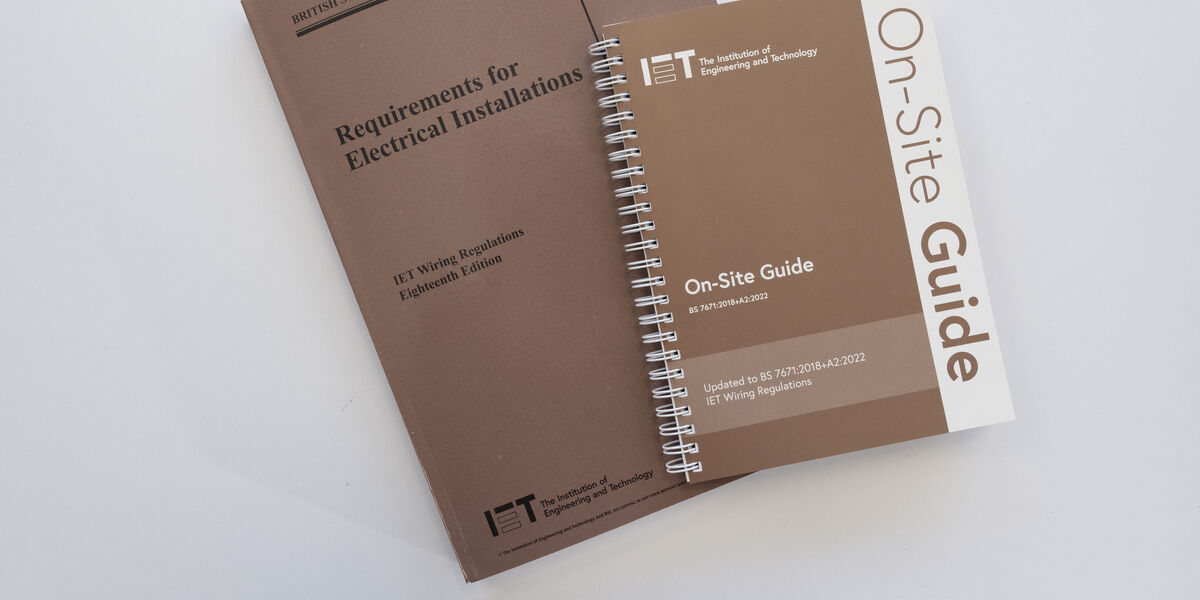
The 18th Edition Wiring Regulations (BS 7671:2018) encompass a comprehensive framework for electrical installations in the UK, emphasizing safety, efficiency, and adaptability to modern technologies. Below are the major focuses in greater detail:
1. Protection Against Electric Shock
- Strengthened provisions to prevent direct and indirect contact with live parts, ensuring installations are safer for users and maintenance personnel.
- Emphasis on proper earthing and bonding systems to mitigate risks from electrical faults.
- Introduction of updated guidelines for residual current devices (RCDs) to enhance protection in residential, commercial, and industrial installations.
2. Fire Safety
- New requirements to reduce the risk of electrical fires, particularly in high-risk environments like high-rise buildings and industrial facilities.
- Enhanced standards for the use of arc fault detection devices (AFDDs) to identify and prevent potential fire hazards caused by electrical arcing.
- Stricter regulations on cable management to minimize fire spread in the event of an incident.
3. Energy Efficiency
- Guidelines for designing energy-efficient installations, such as selecting appropriate cable sizes to minimize energy losses.
- Recommendations for implementing smart technology and energy-saving devices, including timers, sensors, and programmable systems.
- Focus on renewable energy integration, like solar panels and battery storage systems, to promote sustainability.
4. Prosumer Electrical Installations
- Introduction of regulations tailored to “prosumer” systems, where users both produce and consume electricity, such as those with solar photovoltaic (PV) systems and energy storage.
- Guidelines for safe and efficient integration of bidirectional energy flows, ensuring that such systems do not compromise the overall safety or stability of the electrical grid.
- Standards for vehicle-to-grid (V2G) technology, enabling electric vehicles to feed energy back to the grid.
5. Residual Current Devices (RCDs)
- Mandatory use of RCDs for all socket outlets up to 32A to prevent electrocution and other safety hazards.
- Increased focus on Type A and Type B RCDs to handle modern electronic loads like EV chargers and photovoltaic inverters.
6. Surge Protection
- Requirements for surge protection devices (SPDs) in installations, particularly in areas with high lightning risks or sensitive electronic equipment.
- Focus on safeguarding against voltage spikes to protect both equipment and user safety.
7. Inspection and Testing
- Clearer guidelines for periodic inspection and testing to ensure the ongoing safety and compliance of existing electrical installations.
- Improved definitions and standards for documentation and certification, making it easier to track compliance and maintenance.
8. Special Installations and Locations
- Tailored rules for unique environments like swimming pools, medical locations, agricultural settings, and temporary installations.
- Specific measures to address safety in these high-risk areas, ensuring robust and reliable performance.
By addressing these areas, the 18th Edition ensures electrical installations are not only safer but also aligned with modern technologies and sustainability goals. These regulations reflect the evolving nature of electrical demands and the need to integrate advanced solutions into everyday practices.