
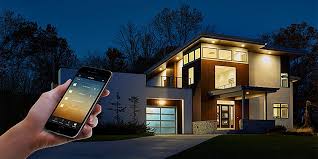
The Benefits of Lighting Control: A Brighter Future
Lighting is an essential component of our daily lives, influencing everything from our productivity to our mood. However, traditional lighting systems often lack the flexibility and efficiency that modern lifestyles demand. This is where lighting control systems come into play, offering a wide array of benefits for residential, commercial, and industrial settings. Below, we explore the key advantages of implementing lighting control solutions.

1. Energy Efficiency
One of the most significant benefits of lighting control is its ability to save energy. By enabling users to adjust lighting levels based on the time of day, occupancy, or specific tasks, these systems reduce unnecessary energy consumption. Features such as dimmers, motion sensors, and timers ensure that lights are only used when needed, helping to lower electricity bills and reduce the environmental footprint.
2. Enhanced Comfort and Convenience
Lighting control systems offer unparalleled convenience by allowing users to manage their lighting through apps, voice commands, or automated schedules. For instance, smart systems can adjust lights to mimic natural daylight, creating a more comfortable environment. They can also be programmed to gradually dim in the evening, promoting better sleep.
3. Improved Aesthetics
Customizable lighting scenes can transform the ambiance of a space with just a tap of a button. Whether you’re hosting a dinner party, watching a movie, or working on a project, lighting control systems let you set the perfect mood. Architectural and decorative lighting can also be seamlessly integrated to highlight specific features of a room, adding an extra layer of sophistication.
4. Increased Safety and Security
Lighting control systems enhance safety by ensuring that pathways and staircases are well-lit when needed. Motion sensors can automatically illuminate areas as people approach, reducing the risk of accidents. Moreover, automated lighting can create the illusion of occupancy when you’re away, deterring potential intruders.
5. Cost Savings
While the initial investment in lighting control systems may seem high, the long-term savings are substantial. Reduced energy usage directly translates to lower utility bills, and the extended lifespan of bulbs due to controlled usage further decreases replacement costs.
6. Adaptability for Different Needs
Modern lighting control systems are highly adaptable and can cater to a variety of needs. In offices, they can optimize lighting for productivity and reduce glare on screens. In industrial settings, they can improve visibility and safety while minimizing energy waste. For homeowners, they offer tailored solutions to match individual preferences and routines.
7. Environmental Benefits
By minimizing energy consumption, lighting control systems contribute to a reduction in greenhouse gas emissions. Many systems are also compatible with renewable energy sources, further supporting sustainable living practices.

Conclusion
Lighting control systems represent a smart investment for anyone looking to improve their quality of life while reducing energy consumption and costs. Whether you’re upgrading a home, designing an office, or managing a commercial facility, these systems offer a compelling mix of efficiency, convenience, and aesthetic appeal. By embracing lighting control, we not only enhance our daily lives but also take a step toward a more sustainable future.